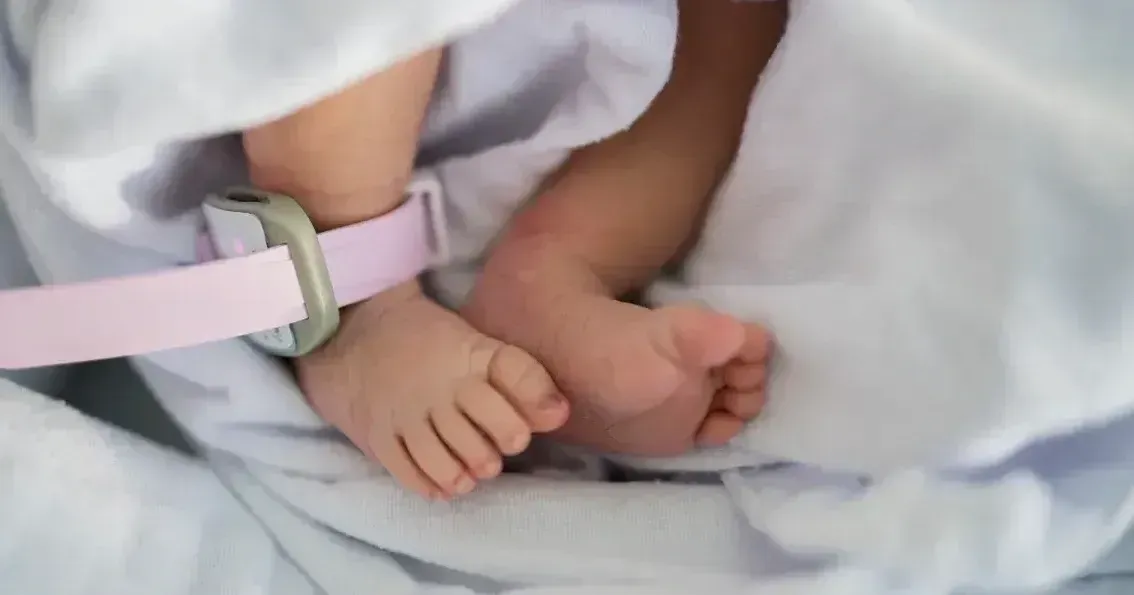
A startling decline in newborn vaccinations against hepatitis B is leaving thousands of infants vulnerable to a lifelong struggle with liver disease. According to a massive new analysis conducted by healthcare analytics firm Truveta, only 66 percent of newborns received the critical first dose of the vaccine within twenty four hours of birth by June of this year. This represents a sharp drop from 80 percent in 2022, sparking alarm among medical professionals who view the trend as a preventable tragedy.
The stakes are particularly high for infants born to mothers already infected with the virus. For these babies, there is a staggering ninety percent chance of contracting the infection during childbirth without immediate intervention. While vaccination rates for this high risk group remained near ninety eight percent for several years, they have recently slipped to ninety four percent. Because hepatitis B often stays hidden for decades before manifesting as cirrhosis or liver cancer, experts warn that we are creating a ticking time bomb of future health crises.
Nina Masters, the lead researcher behind the study which tracked over 1.3 million births since 2018, described the fifteen percent plunge in overall coverage as shocking. She noted that while some may not see the danger immediately, the lack of protection at birth removes a vital safety net for families who may not even know they carry the virus until it is too late. This downward trend comes despite historical data showing that universal birth doses reduced acute childhood infections by ninety nine percent over three decades and prevented millions of hospitalizations.
Health officials believe this dip mirrors a broader rise in vaccine hesitancy across the United States, pointing to recent measles outbreaks and a loss of national measles elimination status as warning signs. Dr. Richard Besser compared these shifts to a canary in the coal mine, noting that while measles creates visible emergencies today, the drop in hepatitis B shots will result in silent suffering that won’t be apparent until these children reach adulthood. Medical advocates insist that reversing these hard won public health victories unnecessarily puts countless young lives at risk.